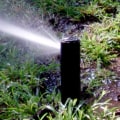
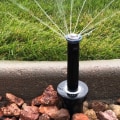
Many homeowners view lawn sprinkler systems primarily as a convenience for maintaining healthy grass and attractive landscaping. While irrigation certainly helps support plant growth and curb appeal, modern sprinkler systems serve a much broader purpose in overall property management. Water distribution around a home affects numerous aspects of property performance, including soil stability, drainage efficiency, landscape health, and structural protection. When properly designed and maintained, sprinkler systems help regulate how water is delivered throughout the property, reducing the likelihood of both drought stress and excessive moisture accumulation. As a result, irrigation systems have become an important component of comprehensive home maintenance strategies.
Promoting Consistent Landscape Health
One of the most obvious benefits of a lawn sprinkler system is its ability to provide consistent watering across landscaped areas. Uneven watering can lead to dry patches, weakened turf, unhealthy plant growth, and soil instability. By delivering water where and when it is needed, sprinkler systems help maintain healthy vegetation throughout the property. Healthy lawns and plantings do more than improve appearance—they also contribute to erosion control, soil retention, and overall environmental balance. Consistent irrigation supports stronger root systems, which can help stabilize the landscape and improve its ability to withstand seasonal weather fluctuations.
Preventing Overwatering and Water Waste
Proper water management is not simply about providing enough moisture; it is also about avoiding excess water. Overwatering can be just as problematic as insufficient irrigation. Excess moisture may contribute to standing water, fungal growth, landscape deterioration, and drainage issues. Modern sprinkler systems often include programmable controls, moisture sensors, and zone-specific settings that help regulate water usage more effectively. These features allow homeowners to distribute water efficiently while minimizing waste. Controlled irrigation helps maintain landscape health without creating conditions that could negatively affect other parts of the property.
Supporting Foundation and Soil Stability
One of the less frequently discussed benefits of sprinkler systems is their influence on soil conditions around the home. Soil that becomes excessively dry can shrink and shift, while overly saturated soil may expand or lose stability. Significant fluctuations in soil moisture can place stress on foundations, walkways, patios, and retaining structures. Properly managed irrigation helps maintain more consistent moisture levels throughout the landscape, reducing extreme changes that may affect structural components. While sprinkler systems are not a replacement for proper drainage planning, they can play an important supporting role in maintaining stable conditions around the property.
Working Together With Other Exterior Systems
Water management involves more than irrigation alone. Sprinkler systems often work alongside drainage solutions, gutters, grading plans, and roofing components to help direct and control moisture throughout the property. Homeowners consulting a roofing contractor in Brownsburg IN may discover that effective water management requires attention to multiple exterior systems that influence how rainwater and irrigation water move around the home. Coordinating these systems helps reduce the likelihood of moisture-related issues while supporting the long-term performance of the property.
Improving Long-Term Property Maintenance
Efficient irrigation contributes to a more proactive approach to home maintenance. By helping maintain healthy landscapes and stable soil conditions, sprinkler systems can reduce the need for frequent corrective landscaping work. Well-maintained vegetation is less susceptible to stress, disease, and erosion-related problems. Additionally, modern irrigation systems make it easier for homeowners to manage seasonal watering needs without relying on inconsistent manual methods.
An Important Part of Water Management Planning
Ultimately, lawn sprinkler systems do far more than keep grass green. They play a significant role in managing water distribution, supporting landscape health, maintaining soil stability, and complementing other exterior property systems. When incorporated into a comprehensive property care strategy, properly designed and maintained irrigation systems help protect both the appearance and functionality of a home. By understanding the broader impact of water distribution, homeowners can make more informed decisions about maintaining healthy landscapes and preserving the long-term performance of their property.