Homeowners often view roofing systems and lawn irrigation as two completely separate parts of property maintenance. One is designed to protect the home from rain and weather exposure, while the other is intended to keep grass, plants, and landscaping healthy. However, roofing drainage issues can quietly interfere with irrigation efficiency in ways that many property owners do not immediately recognize. Gutters, downspouts, roof slopes, and drainage systems all influence how water moves across the property, and when these systems are not functioning properly, they may disrupt soil moisture balance and affect how irrigation systems perform. Over time, poor roof drainage can create inconsistent watering conditions that make lawns harder to maintain and landscaping more difficult to manage effectively.
How Improper Runoff Alters Soil Moisture
Roofing drainage systems are designed to direct rainwater safely away from the home and distribute runoff in a controlled manner. When gutters become clogged, downspouts are poorly positioned, or drainage systems overflow, large amounts of water may collect in concentrated areas of the yard. This repeated oversaturation can create soggy sections of grass while leaving other areas unusually dry. Lawn irrigation systems are typically calibrated to distribute water evenly, but poor roof runoff patterns interfere with that balance by introducing excess moisture into certain zones. As a result, homeowners may notice uneven lawn growth, muddy patches, or areas where grass struggles despite regular irrigation schedules.
Oversaturated Soil Can Reduce Irrigation Efficiency
When roof drainage repeatedly floods portions of the lawn, the soil may become compacted and lose its ability to absorb water efficiently. Compacted soil prevents irrigation water from penetrating evenly into the root zone, causing runoff to occur more quickly during sprinkler cycles. This means the irrigation system may use more water while delivering less effective hydration to the grass and landscaping. In some cases, oversaturated conditions near downspouts or roof runoff areas may also encourage fungal growth, lawn disease, or root damage that weakens turf health over time. Roofing professionals understand that controlling water flow above the property helps maintain healthier moisture conditions throughout the landscape below.
Drainage Issues Can Damage Irrigation Components
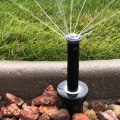
Roof runoff problems do not only affect soil conditions; they can also impact the irrigation system itself. Excessive water flow may erode soil around sprinkler heads, expose underground irrigation lines, or wash debris into drainage areas where irrigation components are installed. During heavy rainstorms, overflowing gutters can create channels of fast-moving water that gradually destabilize landscaping and irrigation infrastructure near the home. Companies such as A1 Roofing Services recognize that proper roof drainage protects more than the roofing system alone. Effective runoff management also helps preserve outdoor systems like irrigation networks, drainage basins, and landscape grading that depend on balanced water distribution to function properly.
Seasonal Weather Makes the Problem Worse
Roof drainage problems often become more noticeable during seasonal weather changes when heavy rain and irrigation demands overlap. During spring and summer, homeowners may increase irrigation usage to maintain green lawns while also dealing with frequent storms that introduce additional moisture into the yard. If gutters and drainage systems are not operating correctly, excess rainwater may disrupt carefully planned irrigation schedules and create inconsistent lawn conditions. In colder climates, freeze-thaw cycles can further damage soil structure around oversaturated areas, making irrigation coverage even less effective once warmer weather returns.
Coordinated Water Management Supports Healthier Landscapes
Maintaining healthy lawns and efficient irrigation systems requires more than simply adjusting sprinkler settings. Roof drainage systems, landscape grading, and irrigation design all work together to control how water moves across the property. Routine gutter cleaning, downspout inspections, and roof drainage evaluations help reduce the risk of uneven moisture distribution that may quietly interfere with irrigation performance. Properly directing runoff away from sensitive lawn areas also supports stronger root growth and healthier soil conditions throughout the landscape. By understanding how roofing drainage affects outdoor water management, homeowners can improve irrigation efficiency, reduce water waste, and create more balanced lawn conditions over the long term.