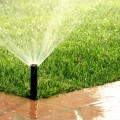
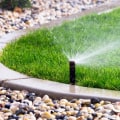
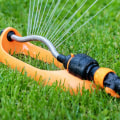
A well-designed lawn sprinkler system is more than just a convenience for keeping grass green—it is a key component of a comprehensive outdoor water management plan. Proper irrigation ensures that lawns and plants receive the right amount of water at the right time, preventing both under- and overwatering. When integrated thoughtfully, sprinkler systems help maintain soil health, reduce water waste, and support the overall balance of an outdoor environment. Without proper planning, however, irrigation can contribute to runoff, pooling, and even damage to landscaping features, making it essential to view sprinkler systems as part of a larger strategy rather than a standalone solution.
Balancing Irrigation with Drainage
One of the most important aspects of integrating sprinkler systems into a water management plan is balancing irrigation with effective drainage. Too much water in one area can quickly overwhelm soil and lead to saturation, while too little water leaves plants stressed and unhealthy. Landscape professionals carefully design sprinkler layouts to ensure even coverage, while also considering how excess water will be directed away from the property. This often involves coordinating irrigation schedules with drainage systems such as French drains, catch basins, or graded slopes. In some cases, working with experienced professionals like Baker Brothers Plumbing ensures that both irrigation and drainage systems function together seamlessly, preventing conflicts that could lead to water buildup or inefficiency.
Smart Technology and Efficient Water Use
Modern sprinkler systems have evolved to include smart technology that significantly improves water efficiency. Features such as weather-based controllers, soil moisture sensors, and programmable zones allow homeowners to tailor watering schedules based on real-time conditions. This not only conserves water but also prevents overwatering, which can harm plants and contribute to runoff. By dividing a yard into zones with different watering needs, sprinkler systems can deliver precise amounts of water to lawns, flower beds, and shrubs. These innovations make it easier to maintain a healthy landscape while minimizing environmental impact and reducing utility costs.
Supporting Plant and Soil Health
Consistent and controlled irrigation plays a vital role in maintaining healthy soil and plant life. Sprinkler systems help ensure that water penetrates deeply into the soil, encouraging strong root growth and improving drought resistance. At the same time, proper scheduling prevents water from sitting on the surface, which can lead to fungal diseases or soil compaction. When combined with good drainage practices, irrigation systems create a balanced environment where moisture levels are carefully managed. This balance is essential for sustaining vibrant lawns and thriving plant beds throughout changing seasons.
Long-Term Benefits of Integrated Water Planning
Incorporating lawn sprinkler systems into a complete outdoor water management plan offers long-term advantages that go beyond aesthetics. A coordinated approach reduces the risk of water damage, lowers maintenance requirements, and enhances the overall resilience of a landscape. By ensuring that irrigation and drainage systems work together, homeowners can avoid common issues such as erosion, pooling, and uneven plant growth. Over time, this integrated strategy contributes to a more sustainable and efficient outdoor space, providing both functional and visual benefits. With proper planning and ongoing maintenance, sprinkler systems become a valuable tool in preserving the health and beauty of any landscape.