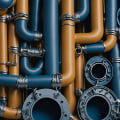
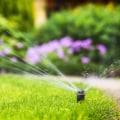
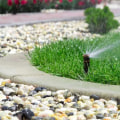
Sprinkler systems are often viewed simply as landscaping tools that help maintain healthy lawns and gardens, but they actually play a much larger role in the overall health of a property’s water system. A properly functioning sprinkler system depends on balanced water pressure, efficient pipe connections, reliable drainage, and well-maintained plumbing infrastructure. When any part of the sprinkler setup becomes damaged or poorly maintained, it can affect the home’s broader water system in ways that many homeowners may not immediately recognize. From hidden leaks and pressure imbalances to increased water waste and pipe strain, sprinkler systems are closely connected to the overall efficiency and condition of residential plumbing.
Modern irrigation systems are designed to distribute water evenly while minimizing unnecessary consumption. However, damaged sprinkler heads, leaking underground pipes, clogged valves, or faulty controllers can place extra demand on a property’s water supply. Over time, these issues may increase utility costs, reduce water pressure indoors, and contribute to long-term plumbing problems. Monitoring sprinkler performance regularly helps homeowners identify early warning signs that could indicate larger issues within the water system itself.
Water Pressure and System Efficiency
Water pressure is one of the most important factors linking sprinkler systems to overall plumbing health. Sprinkler systems require a steady flow of water to operate efficiently, but excessive pressure can damage irrigation components while low pressure can lead to uneven watering and poor performance. Maintaining balanced pressure throughout the property helps protect both outdoor irrigation systems and indoor plumbing fixtures from unnecessary strain.
Leaks are another major concern that connects sprinkler maintenance to water system health. Underground irrigation leaks can go unnoticed for long periods, slowly wasting water while increasing stress on supply lines and pumps. These hidden leaks may also contribute to soil erosion, foundation instability, or water pooling near the property. In some cases, homeowners discover irrigation leaks only after noticing unusually high water bills or reduced pressure throughout the home. Working with professionals such as a plumber in Selma can help homeowners identify whether pressure fluctuations or water supply issues are connected to the sprinkler system or other plumbing components.
Backflow prevention is also essential in protecting overall water quality. Irrigation systems are connected directly to the property’s water supply, which means improper backflow protection can allow contaminants, fertilizers, or debris to enter clean water lines. Properly installed and maintained backflow prevention devices help safeguard drinking water while ensuring the sprinkler system operates safely and efficiently.
Preventative Maintenance and Long-Term Water System Protection
Routine maintenance is critical for preserving both sprinkler performance and overall water system health. Seasonal inspections help identify broken sprinkler heads, valve malfunctions, pipe damage, and inefficient watering patterns before they develop into larger plumbing concerns. Cleaning nozzles, adjusting spray patterns, and monitoring water pressure can improve irrigation efficiency while reducing strain on the property’s plumbing infrastructure.
Smart irrigation technology has also become increasingly popular because it allows homeowners to better manage water usage and system performance. Automated controllers, moisture sensors, and weather-responsive systems help reduce unnecessary watering while maintaining healthier landscapes. These technologies not only conserve water but also help reduce stress on pipes, valves, and water supply systems throughout the property.
Drainage management is another important aspect of sprinkler-related maintenance. Excessive watering or poor irrigation design can oversaturate soil and create standing water around the home. Over time, this can contribute to foundation issues, mold growth, and drainage complications that affect the entire property. Proper irrigation planning helps ensure water is distributed efficiently without negatively impacting surrounding structures or landscaping.
Conclusion
Sprinkler systems are directly connected to the overall health and efficiency of a property’s water system. From maintaining balanced water pressure and preventing leaks to protecting water quality and reducing unnecessary strain on plumbing infrastructure, irrigation systems play a much larger role than many homeowners realize. Regular inspections, proper maintenance, and smart water management strategies help preserve both outdoor landscaping and the long-term reliability of residential plumbing systems. By understanding the connection between sprinkler systems and overall water health, homeowners can create more efficient, sustainable, and well-protected properties.