After a move is complete, most homeowners focus on unpacking and interior setup, assuming outdoor systems are unchanged. In reality, sprinkler systems are particularly vulnerable during moving day. Heavy foot traffic, dollies, and moving trucks can compress soil, shift sprinkler heads, or crack underground lines without obvious surface damage. Even careful crews like Mountain Movers can’t fully eliminate the risk simply because sprinkler components are often shallow, hidden, and spread across high-traffic zones. That’s why the first sprinkler inspection after movers leave is not just a precaution—it’s a necessary step in protecting your landscape and avoiding costly water damage.
Start With a Visual Walkthrough
The first phase of inspection should be a slow, deliberate walk through the entire yard. Look for sprinkler heads that appear tilted, sunken, or newly exposed. Tracks from trucks or equipment may compress soil around heads, altering spray direction or preventing proper pop-up function. Check turf areas near driveways, walkways, and access points where movers likely traveled repeatedly. These areas are the most common locations for cracked risers or broken connections. Visual clues such as damp patches, muddy spots, or unusually dry zones often indicate hidden problems that won’t resolve on their own.
Run Each Zone One at a Time
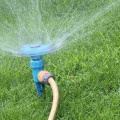
Once the visual check is complete, run the sprinkler system manually, one zone at a time. This step is critical because many sprinkler issues only appear under pressure. Watch for weak spray patterns, misting instead of streams, or heads that fail to rise fully. Bubbling water or pooling during operation can signal a cracked line below the surface, often caused by heavy loads during the move. Take note of overspray onto sidewalks, foundations, or fences—misaligned heads are a common post-move issue and waste significant water if left uncorrected.
Inspect Valves, Timers, and Water Pressure
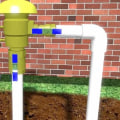
Movers sometimes need access to side yards, garages, or utility areas where sprinkler valves and controllers are located. Even slight bumps can loosen valve boxes or disturb wiring. Open valve boxes to check for standing water or loose fittings. Inside, inspect the controller to confirm schedules haven’t been accidentally changed or reset during power interruptions. Pay attention to water pressure when zones activate; sudden pressure drops or surges can indicate damaged lines that will worsen over time if ignored.
Check for Slow Leaks and Delayed Damage
Not all sprinkler damage is immediate or dramatic. Some leaks develop slowly, especially hairline cracks caused by weight or vibration. Over the days following a move, monitor your yard for areas that remain soggy or grass that grows faster and darker in isolated patches. These signs often point to underground leaks that increase water bills and undermine soil stability. Early detection prevents erosion, root damage, and foundation moisture issues that can emerge weeks later.
Why This Inspection Saves Money and Stress
Conducting a sprinkler inspection right after movers leave allows you to fix small issues before they escalate. Adjusting a head or replacing a cracked riser is inexpensive compared to repairing washed-out soil, dead landscaping, or water-damaged hardscapes. It also ensures your irrigation system supports lawn recovery after the stress of moving-day traffic.
Making It Part of the Move-Out-to-Move-In Routine
The best time to inspect sprinklers is when the yard is still clear and accessible. Treat it as the final step of moving day closure—right alongside checking doors, utilities, and locks. A short inspection now protects your landscape investment and ensures that once the boxes are unpacked, your yard won’t quietly unravel beneath your feet.