Lawn sprinkler systems play a crucial role in maintaining healthy landscapes, but their effectiveness depends heavily on how efficiently they distribute water. Without proper planning, sprinklers can lead to overwatering in some areas and dry patches in others, wasting both water and money. Efficient water distribution begins with understanding the layout of the lawn, including soil type, slope, and plant needs. Different zones within a yard may require varying amounts of water, and designing a system that accommodates these differences ensures consistent coverage. By focusing on efficiency from the start, homeowners can create a sustainable irrigation system that supports both plant health and resource conservation.
Strategic Zoning for Targeted Irrigation
One of the most effective strategies for sprinkler efficiency is dividing the landscape into irrigation zones. Each zone is designed to deliver the right amount of water based on specific conditions, such as sun exposure or plant type. For example, shaded areas typically require less water than sections exposed to direct sunlight. By grouping similar areas together, sprinkler systems can operate more precisely, reducing waste and improving overall performance. Advanced controllers allow for customized schedules, ensuring that each zone receives water at optimal times. This targeted approach not only conserves water but also helps prevent issues like soil erosion and plant stress.
Choosing the Right Equipment and Technology
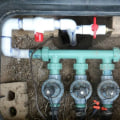
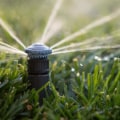
Selecting the appropriate sprinkler heads and components is essential for achieving even water distribution. Rotating nozzles, drip irrigation systems, and spray heads each serve different purposes, and using the right combination ensures that water is applied effectively across the landscape. Modern systems often include smart technology, such as weather-based controllers and moisture sensors, which adjust watering schedules automatically based on environmental conditions. Working with experienced professionals, such as Abacus Plumbing Austin, can help homeowners choose the best equipment for their specific needs and ensure proper installation. This level of expertise minimizes inefficiencies and enhances the long-term reliability of the system.
Maintenance Practices for Consistent Performance
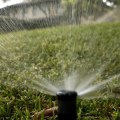
Even the most well-designed sprinkler system requires regular maintenance to remain efficient. Over time, sprinkler heads can become clogged, misaligned, or damaged, leading to uneven water distribution. Routine inspections help identify these issues early, allowing for quick adjustments and repairs. Additionally, checking for leaks in pipes and connections prevents water loss and reduces utility costs. Seasonal maintenance, such as winterizing the system in colder climates or adjusting schedules during rainy periods, further contributes to optimal performance. By staying proactive, homeowners can ensure that their sprinkler systems continue to operate at peak efficiency year-round.
Long-Term Benefits of Efficient Irrigation Systems
Implementing efficient sprinkler strategies offers significant long-term benefits, both environmentally and financially. Reduced water consumption lowers utility bills while conserving a valuable natural resource. Healthier plants and lawns also require less intervention, saving time and maintenance costs. Furthermore, an efficient irrigation system enhances property value by maintaining a lush and well-kept landscape. By combining thoughtful design, advanced technology, and regular upkeep, homeowners can achieve a balanced approach to irrigation that supports sustainability and long-term performance. Ultimately, a well-managed lawn sprinkler system is an investment in both the beauty and functionality of outdoor spaces.