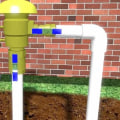
Lawn sprinkler systems are often installed to simplify landscape maintenance and keep grass, gardens, and ornamental plants healthy throughout the year. While their role in maintaining attractive outdoor spaces is widely recognized, their contribution to protecting nearby structures is discussed far less frequently. Properly designed irrigation systems help regulate soil moisture, reduce erosion, and promote healthier landscaping practices that indirectly support the stability of surrounding buildings, walkways, retaining walls, and other outdoor structures. When irrigation is inconsistent, landscapes may experience cycles of excessive dryness followed by overwatering, creating conditions that contribute to soil movement, uneven settlement, and plant stress. These changes can influence the performance of nearby structural elements over time, particularly when foundations or hardscape features are located close to landscaped areas. A thoughtfully designed lawn sprinkler system helps maintain balanced moisture levels that support both healthy vegetation and more stable site conditions, making irrigation an important part of long-term property care rather than simply a convenience for lawn maintenance.
Balanced Irrigation Supports Stable Soil Conditions
The condition of the soil surrounding a structure has a significant influence on its long-term performance. Excessively dry soil can shrink in certain soil types, while prolonged oversaturation may weaken the supporting ground beneath sidewalks, patios, driveways, and building foundations. Lawn sprinkler systems help regulate these moisture levels by delivering water in controlled amounts based on the specific needs of the landscape. Proper zoning, scheduling, and sprinkler placement reduce the likelihood of overwatering areas adjacent to structures while ensuring vegetation receives adequate hydration. Engineering professionals, including companies such as Open Concept Engineering, understand that protecting structural systems often involves managing environmental conditions surrounding the building as carefully as the structure itself. Coordinating irrigation practices with grading, drainage, and landscape planning helps create a more stable environment where soil movement is minimized and outdoor features remain better supported throughout seasonal weather changes.
Preventing Drainage and Landscaping Issues
A well-designed sprinkler system contributes to healthier landscaping while reducing problems that may eventually affect nearby structures. Overwatering can cause runoff that erodes soil around foundations, retaining walls, and paved surfaces, while underwatering may weaken turf and vegetation that help stabilize the landscape. Healthy lawns and plant root systems naturally assist in holding soil in place, reducing erosion during heavy rainfall and limiting sediment movement across the property. Modern irrigation systems often incorporate programmable controllers, rain sensors, and moisture-monitoring technology that improve watering efficiency while preventing unnecessary saturation. Proper sprinkler placement also keeps excessive water away from exterior walls, doors, and windows where repeated moisture exposure could contribute to deterioration over time. Combined with effective drainage systems and routine landscape maintenance, these irrigation improvements help preserve both the appearance and functionality of outdoor environments while reducing maintenance concerns associated with uncontrolled water distribution.
Long-Term Benefits for Property Protection
Lawn sprinkler systems offer long-term advantages that extend beyond maintaining green grass and vibrant landscaping. Consistent irrigation supports healthier plant growth, reduces stress on trees and shrubs, and helps preserve the stability of soil surrounding important structural elements. Property owners who combine efficient irrigation with routine inspections of drainage systems, grading, and landscaping often experience fewer problems related to erosion, standing water, or shifting outdoor surfaces. This proactive approach can reduce maintenance expenses while extending the lifespan of patios, sidewalks, retaining walls, driveways, and nearby foundations. It also contributes to improved curb appeal and increased property value by keeping landscapes healthy without compromising structural performance. Ultimately, lawn sprinkler systems should be viewed as an important component of comprehensive property management rather than simply a landscaping accessory. When properly designed, installed, and maintained, they help create balanced environmental conditions that protect both outdoor living spaces and the structures that surround them. By integrating irrigation planning with sound landscape design and structural considerations, homeowners can enjoy healthier landscapes while supporting the long-term durability, safety, and resilience of their entire property.