Understanding the Hidden Connections Between Systems
Lawn sprinkler systems are designed to support healthy landscapes, but when improperly installed or maintained, they can have unintended consequences for a property’s roofing and foundation. While sprinklers may seem unrelated to structural components, water distribution around a building directly affects how roofs shed moisture and how foundations manage saturation. Property owners who understand these connections are better equipped to prevent long-term damage, reduce repair costs, and maintain a balanced exterior environment. Proper coordination between irrigation, roofing, and drainage systems is essential for protecting the overall integrity of a home or commercial property.
Sprinkler Overspray and Roofing Damage
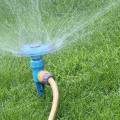
One of the most common issues associated with lawn sprinkler systems is overspray that consistently reaches exterior walls, soffits, and roofing materials. Repeated exposure to moisture can accelerate the deterioration of shingles, flashing, and fascia boards, especially in areas not designed for constant water contact. Over time, this excess moisture may lead to mold growth, wood rot, or premature aging of roofing components. Sprinkler heads that are poorly aimed or improperly pressurized can unintentionally soak roof edges and gutters, creating conditions where minor vulnerabilities turn into significant roofing problems. Professional roofing inspections often reveal that irrigation overspray is a contributing factor to unexpected roof wear.
Gutter Interaction and Water Management
Sprinkler systems can also impact how gutters and drainage systems function. When sprinklers saturate areas near the roofline, debris such as grass clippings and soil can be splashed into gutters, increasing the likelihood of clogs. Blocked gutters prevent proper water flow during rainfall, causing overflow that can damage roofing edges and siding. Additionally, water that spills over clogged gutters often pools near the foundation, compounding drainage issues. Roofing professionals, including teams like Brisco Roofing, frequently emphasize the importance of keeping irrigation systems properly adjusted to support effective roof and gutter performance rather than undermining it.
Foundation Health and Soil Saturation
The foundation is particularly vulnerable to the effects of poorly managed sprinkler systems. Excessive watering near the base of a building can oversaturate soil, leading to expansion, shifting, or erosion. These conditions increase the risk of cracks, uneven settling, and water intrusion into basements or crawl spaces. When sprinkler zones are positioned too close to the structure or run for extended periods, they may continuously expose the foundation to moisture stress. Proper sprinkler design directs water away from the building while still nourishing landscaping, preserving soil stability and reducing pressure on the foundation.
Coordinating Irrigation, Roofing, and Drainage
Protecting roofing and foundation health requires coordination between sprinkler systems, roofing maintenance, and landscape planning. Adjusting sprinkler heads to avoid direct contact with the building, scheduling watering during optimal times, and maintaining consistent drainage paths all contribute to better outcomes. Roofing inspections can identify moisture-related issues early, while landscaping adjustments can correct grading or redirect water flow. When these services are aligned, property owners gain a comprehensive defense against water damage that might otherwise go unnoticed until costly repairs are required.
Long-Term Protection Through Proactive Planning
Lawn sprinkler systems are valuable tools for maintaining attractive landscapes, but their impact extends beyond the lawn itself. Thoughtful design, regular maintenance, and coordination with roofing and foundation care help ensure that irrigation supports the property rather than harms it. By viewing water management as a shared responsibility among exterior systems, property owners can protect structural components, extend the lifespan of roofing materials, and maintain a stable foundation. Proactive planning transforms sprinklers from a potential risk into a supportive element of a well-maintained, resilient property.