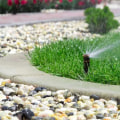
Homes with aging plumbing systems often face unique challenges when it comes to maintaining efficient lawn sprinkler systems. Older pipes may be more prone to leaks, corrosion, and pressure inconsistencies, all of which can affect how well irrigation systems perform. As sprinkler systems rely on steady water flow and consistent pressure, any weakness in the plumbing infrastructure can lead to uneven watering, wasted water, and potential damage to both the landscape and the home. Recognizing these challenges is the first step toward implementing solutions that support both the irrigation system and the underlying plumbing network.
Designing Sprinkler Systems with Plumbing Limitations in Mind
When installing or upgrading a lawn sprinkler system in a home with aging plumbing, careful design is essential. Dividing the landscape into irrigation zones allows water to be distributed more efficiently, reducing strain on older pipes. Each zone can be programmed to operate at different times, ensuring that water demand remains manageable and consistent. Additionally, selecting sprinkler heads that match the available water pressure helps prevent overloading the system. Consulting with experienced professionals, including trusted providers like Berkeys, can help homeowners design systems that work within the limitations of their existing plumbing while still achieving effective irrigation.
Managing Water Pressure and Preventing System Strain
Water pressure management is a critical factor for homes with older plumbing systems. Excessive pressure can exacerbate existing weaknesses in pipes, leading to leaks or bursts, while low pressure can result in poor sprinkler performance. Installing pressure regulators and monitoring devices helps maintain a balanced flow, ensuring that both the sprinkler system and the plumbing infrastructure operate safely. Regular inspections are also important to identify signs of wear, such as small leaks or reduced flow, before they develop into more serious issues. By maintaining proper pressure levels, homeowners can extend the lifespan of their plumbing system and improve irrigation efficiency.
Maintenance Practices for Long-Term Reliability
Routine maintenance is essential for keeping both sprinkler systems and aging plumbing in good condition. This includes checking for clogged or misaligned sprinkler heads, repairing leaks promptly, and ensuring that valves and connections are functioning properly. Seasonal adjustments, such as winterizing the system or recalibrating schedules based on weather conditions, further enhance performance. Keeping the system clean and well-maintained reduces stress on older pipes and helps prevent unexpected breakdowns. Consistent care ensures that the irrigation system continues to operate effectively without compromising the integrity of the plumbing network.
Long-Term Benefits of Coordinated System Care
Integrating lawn sprinkler system management with plumbing maintenance offers significant long-term benefits for homeowners. By addressing both systems together, it becomes possible to reduce water waste, lower maintenance costs, and improve overall efficiency. A well-designed and properly maintained irrigation system supports a healthy landscape while minimizing the risk of plumbing damage. Over time, this coordinated approach enhances property value and ensures that both outdoor and indoor systems remain reliable. Ultimately, understanding the relationship between sprinkler systems and aging plumbing allows homeowners to make informed decisions that protect their investment and create a more sustainable and functional living environment.